








The days of hosting massive client databases on vulnerable, physical servers in a back office are long gone. In today’s hyper-connected business landscape, speed, accessibility, and scalability dictate who closes the deal and who loses the lead.
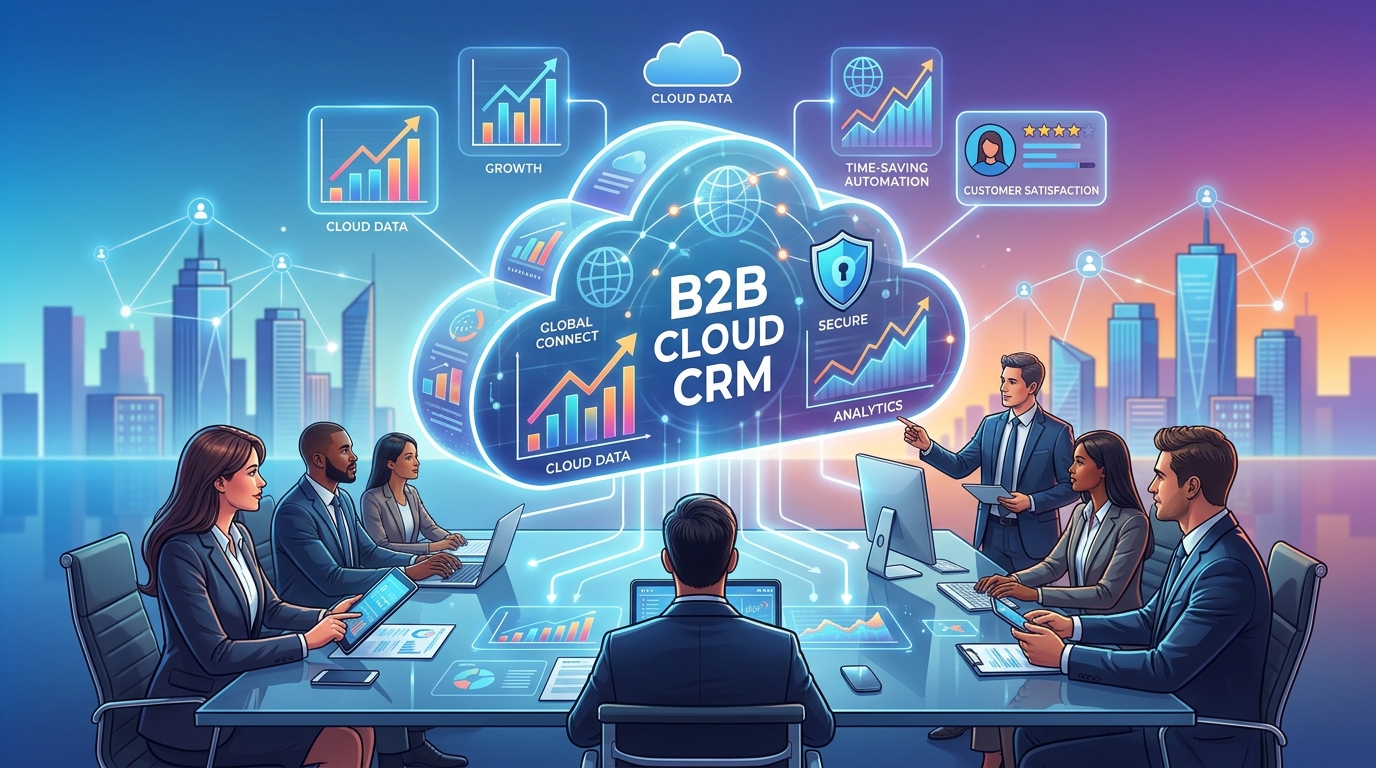
If your B2B company is still relying on legacy on-premise systems or, worse, fragmented spreadsheets to manage customer relationships, you are operating at a severe disadvantage. Transitioning to a Cloud-Based CRM (Software as a Service or SaaS) is no longer just an IT upgrade; it is a fundamental requirement for revenue growth. Here is why your infrastructure needs to live in the cloud today.
1. Infinite Scalability for High-Volume Operations
When you are driving massive amounts of traffic from digital ecosystems directly into your sales funnels, your infrastructure must be able to handle the load without crashing.
On-premise servers require constant hardware upgrades, technical maintenance, and bandwidth monitoring. A cloud-based CRM eliminates these bottlenecks entirely. Whether you are processing fifty leads a month or capturing thousands of data points a minute from a high-traffic WordPress network, cloud platforms scale your server resources dynamically. You pay for the capacity you use, ensuring your system never buckles under the pressure of a successful marketing campaign.
2. Unrestricted Access for Agile Teams
Business no longer happens solely at a desk. Sales directors, account managers, and marketing teams need real-time access to customer data from anywhere in the world.
Cloud CRMs are accessible via any web browser or mobile app. This means a sales rep can check a client’s entire interaction history, update a deal stage, or send a contract directly from their phone immediately after a meeting. This level of immediate data entry ensures your pipeline is always accurate and your team operates with maximum agility.
3. Seamless Ecosystem Integrations
A standalone database is useless. Your CRM must act as the central nervous system of your entire digital operation.
Cloud-based systems are built with modern APIs designed to connect instantly with your existing tech stack. This allows for seamless, automated data flow between your CRM and:
- Web Platforms: Instantly capturing leads from your landing pages and WordPress forms without complex coding.
- Advertising Networks: Tracking the exact source and ROI of incoming traffic.
- Communication Tools: Logging every email, support ticket, and phone call automatically.
4. Enterprise-Grade Security and Automated Backups
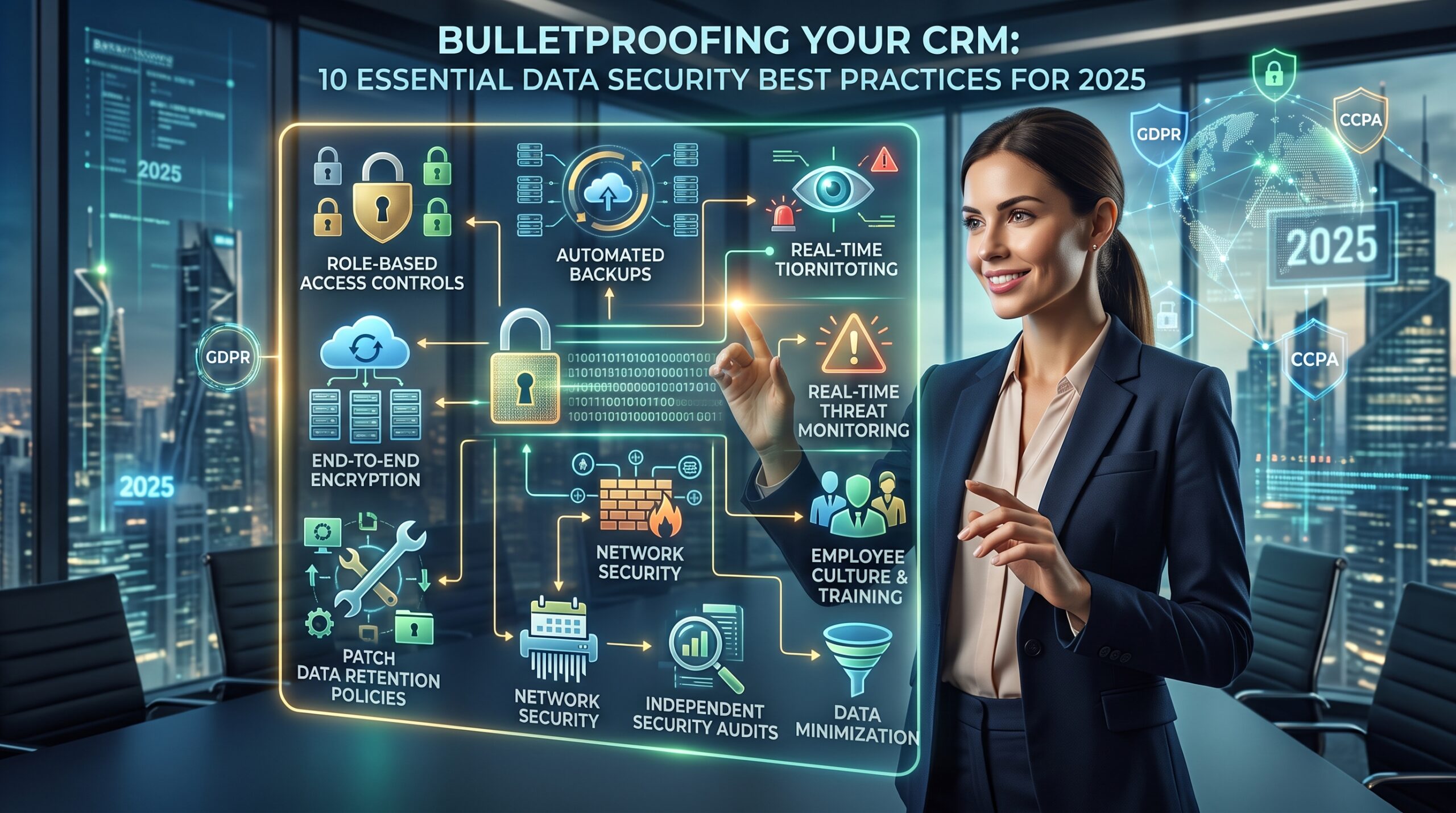
Data loss is catastrophic for a B2B company. Managing your own server means the burden of cybersecurity, firewalls, and daily backups falls entirely on your shoulders.
By migrating to a top-tier cloud CRM provider, you inherit their multi-million-dollar security infrastructures. These platforms employ advanced encryption protocols, continuous threat monitoring, and automated redundant backups across multiple global servers. Your critical client data is protected against localized hardware failures, ransomware, and human error.
5. Faster Deployment and Lower Upfront Costs
Deploying an on-premise system requires heavy capital expenditure: purchasing servers, buying software licenses, and hiring IT consultants for a lengthy installation process.
Cloud CRMs operate on a subscription model (OpEx rather than CapEx). You can deploy a cloud system across your entire organization in a matter of hours, not months. Updates, bug fixes, and new feature rollouts are handled automatically by the provider in the background, completely invisible to the end-user and requiring zero downtime.
Conclusion
Your customer data is the most valuable asset your company owns. A cloud-based CRM ensures that this data is secure, infinitely scalable, and immediately accessible to the people who need it to drive revenue. Upgrading to the cloud frees your team from technical maintenance, allowing them to focus entirely on what matters most: building relationships and closing sales.