








As the business landscape grows increasingly competitive, relying on rigid, one-size-fits-all technology is no longer a viable strategy. Customer Relationship Management (CRM) platforms are evolving rapidly, and by 2025, customizable CRM software is projected to completely dominate the market.
Driven by shifting consumer expectations and massive leaps in digital innovation, businesses are demanding systems that adapt to their specific workflows—not the other way around. Here is a deep dive into why customizable CRMs are the future and how they are reshaping customer engagement.
The Shift Toward Bespoke CRM Solutions
Traditional CRM platforms often force companies to adjust their internal processes to match the software’s limitations. Customizable CRMs flip this dynamic, offering total flexibility.
Whether it means redesigning the user interface to match daily operational habits or integrating niche third-party applications, adaptable CRMs allow organizations to build a platform that fits their exact structural and strategic needs.
What is Driving the Demand?
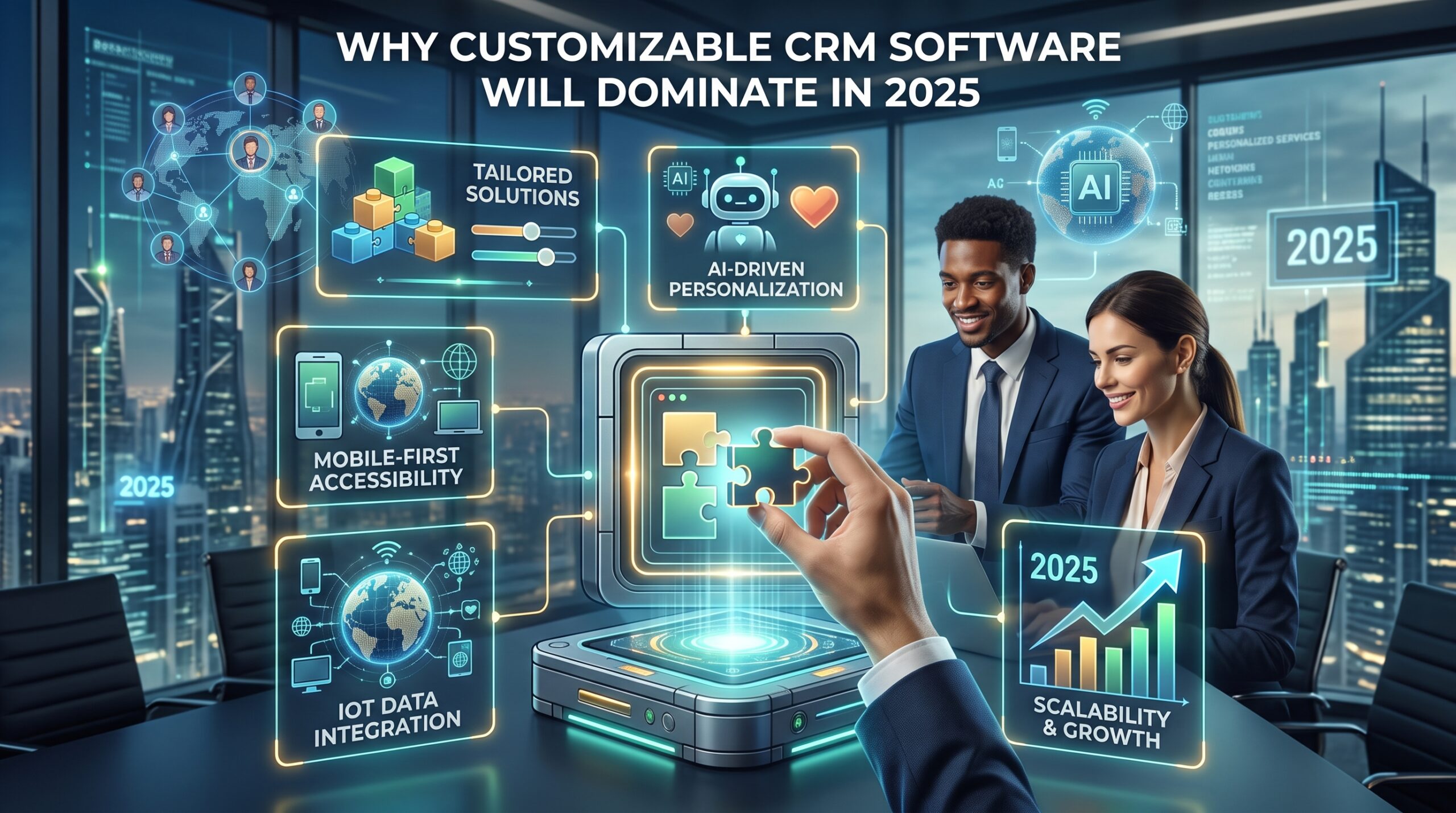
- The Expectation of Personalization: Today’s consumers demand highly personalized interactions. Industry forecasts suggest that by 2025, over 70% of CRM platforms will feature AI capabilities designed to anticipate customer needs. Customizable systems allow brands to build unique engagement frameworks based on these AI insights.
- The Need for Seamless Integration: A CRM must act as a central hub. By 2025, an estimated 60% of CRM systems will connect directly with IoT (Internet of Things) devices. Customizable software makes it easier to sync this real-time data, giving businesses a 360-degree view of their customer’s journey.
Core Features of a Modern, Adaptable CRM
What exactly makes a customizable CRM so powerful? The best platforms on the market share these essential characteristics:
1. Frictionless, Code-Free Interfaces
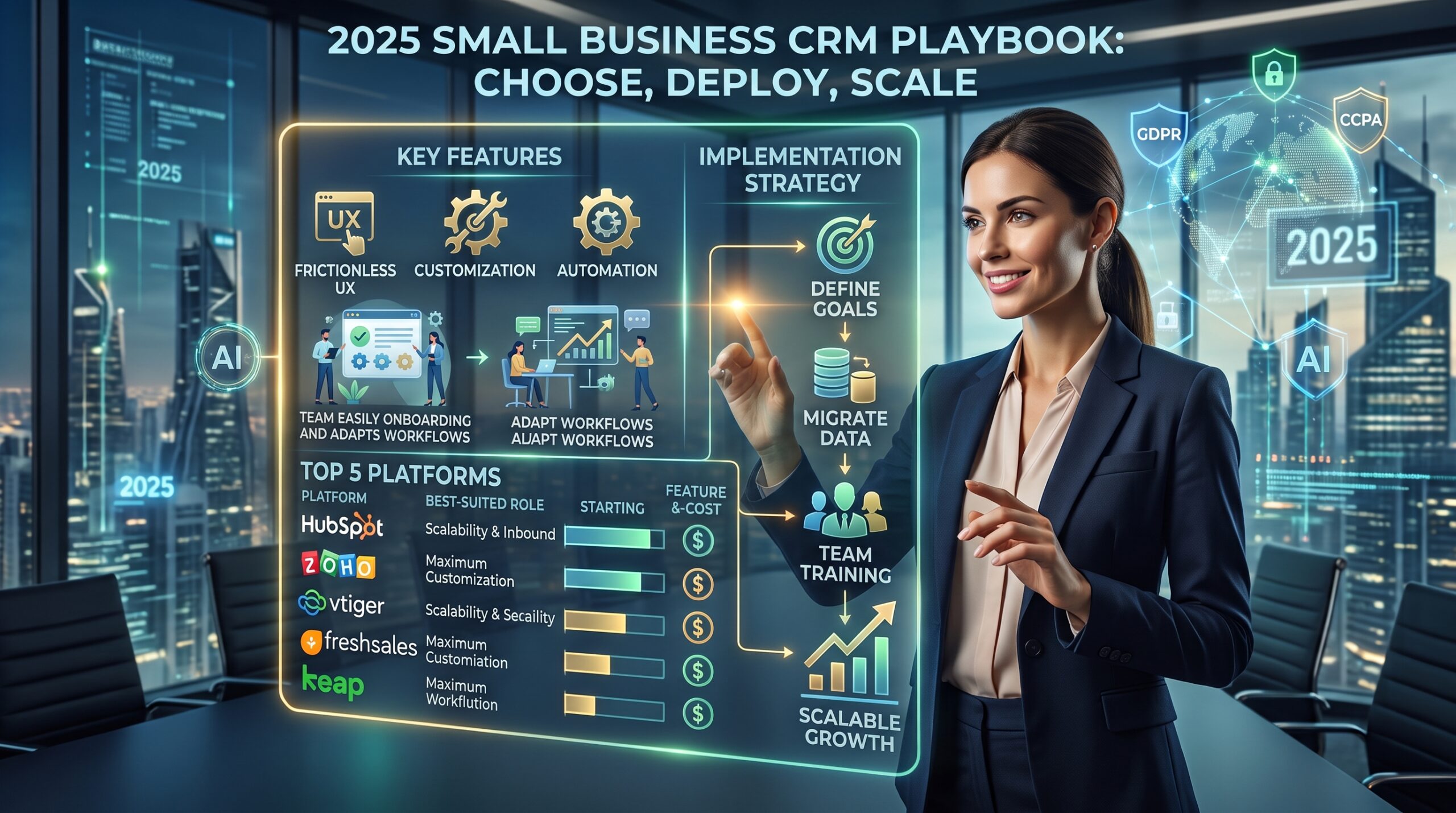
Modern CRMs prioritize usability. With intuitive drag-and-drop builders, managers can redesign dashboards, alter data fields, and build new workflows without needing an IT degree. This ensures the software can pivot instantly as company goals change.
2. Centralized, Custom Data Hubs
Data is only useful if you can understand it. Flexible CRMs allow businesses to consolidate their data and generate custom reports that focus exclusively on the metrics that matter to their specific industry, streamlining decision-making and operational efficiency.
3. Smart Workflow Automation
Routine administrative tasks kill productivity. Customizable platforms allow companies to set up their own unique automation rules—from routing customer support tickets to executing complex lead scoring systems. This frees up human agents to focus on high-value relationship building.
4. Unified Team Collaboration
A customized CRM breaks down department silos by offering shared workspaces. Marketing, sales, and support can collaborate within a single platform, utilizing shared calendars, notes, and project management tools to ensure total alignment.
4 Trends Accelerating the Customizable CRM Market in 2025
As we move closer to 2025, several emerging trends are cementing the dominance of adaptable CRMs:
- The Low-Code/No-Code Revolution: Businesses no longer need massive development budgets to build custom apps. No-code platforms empower everyday users to build tailored CRM extensions in a matter of hours.
- Hyper-Personalization via AI: Artificial Intelligence isn’t just organizing data; it’s predicting behavior. Customizable CRMs allow businesses to seamlessly deploy AI models that trigger hyper-targeted marketing campaigns in real-time.
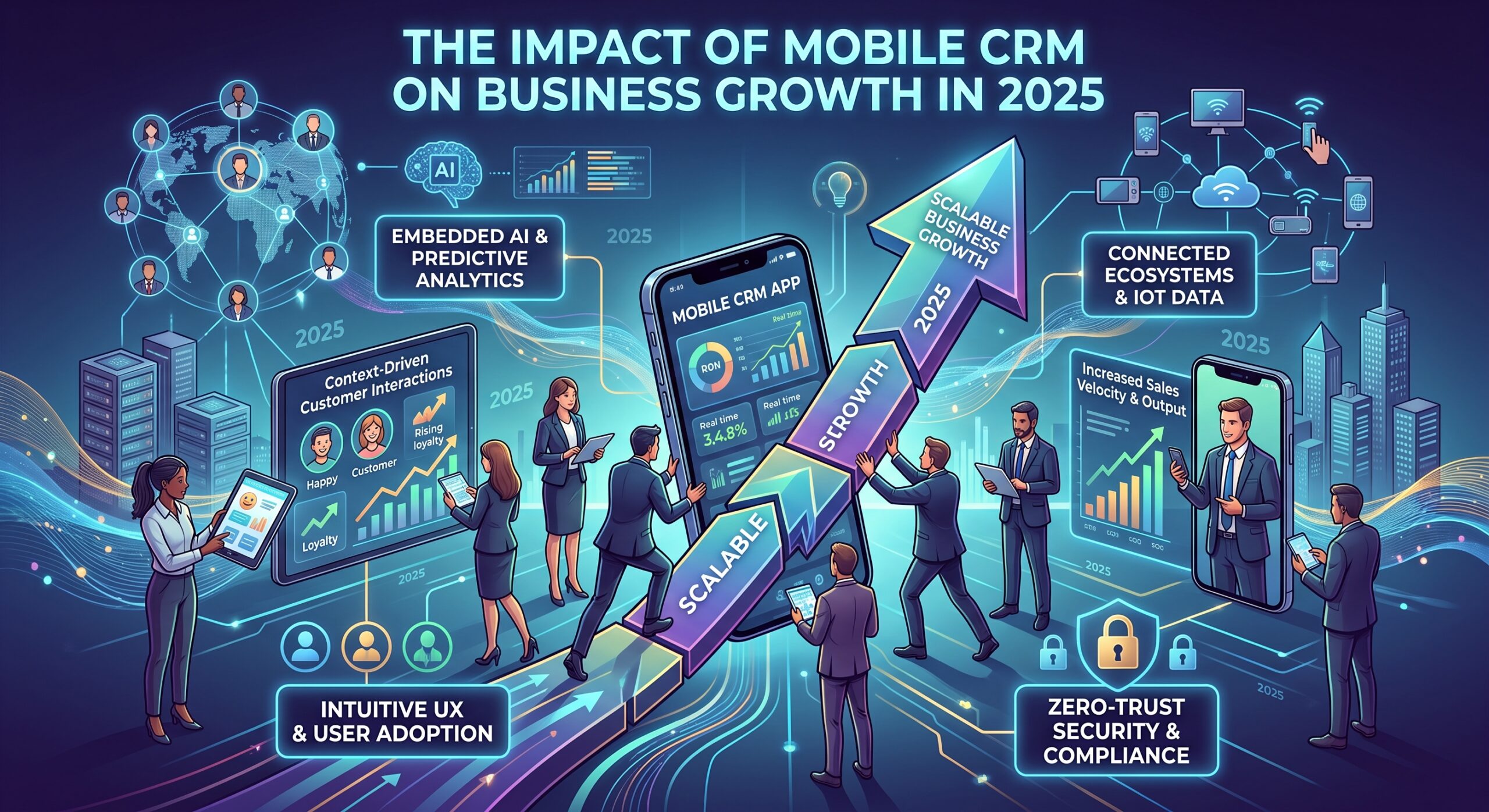
- Mobile-First Workspaces: With projections indicating that 75% of users will access CRMs via mobile by 2025, customizable platforms are prioritizing responsive, on-the-go interfaces that field teams can tailor to their specific mobile needs.
- Intelligent Customer Self-Service: Consumers want fast answers. Modern CRMs are easily integrating customized chatbots and self-service portals, allowing clients to resolve their own issues while drastically reducing the workload on human support teams.
The Ultimate Competitive Advantage
Why are industry leaders heavily investing in these adaptable platforms? It comes down to three undeniable advantages:
- Infinite Scalability: A customizable CRM grows with you. Instead of migrating to a completely new system when your company expands, you simply add new modules and features to your existing framework.
- Unbreakable Customer Loyalty: When you can tweak your CRM to track the exact nuances of your customer base, you can deliver a level of personalized service that standard software simply cannot match.
- Long-Term ROI: While setting up a customized system requires an initial investment of time and resources, it is incredibly cost-effective in the long run. By eliminating the need for constant software migrations and costly external workarounds, businesses maximize their return on investment.
Final Thoughts
The era of rigid business software is over. As 2025 approaches, customizable CRM software stands out as the ultimate tool for businesses looking to scale efficiently, integrate cutting-edge AI, and deliver unparalleled customer experiences. Organizations that embrace this flexibility today will hold a massive competitive edge in the digital marketplace of tomorrow.